Itchy paws in dogs: common causes
Why dogs lick and chew their paws, the common causes UK vets look for, and when to book an appointment.
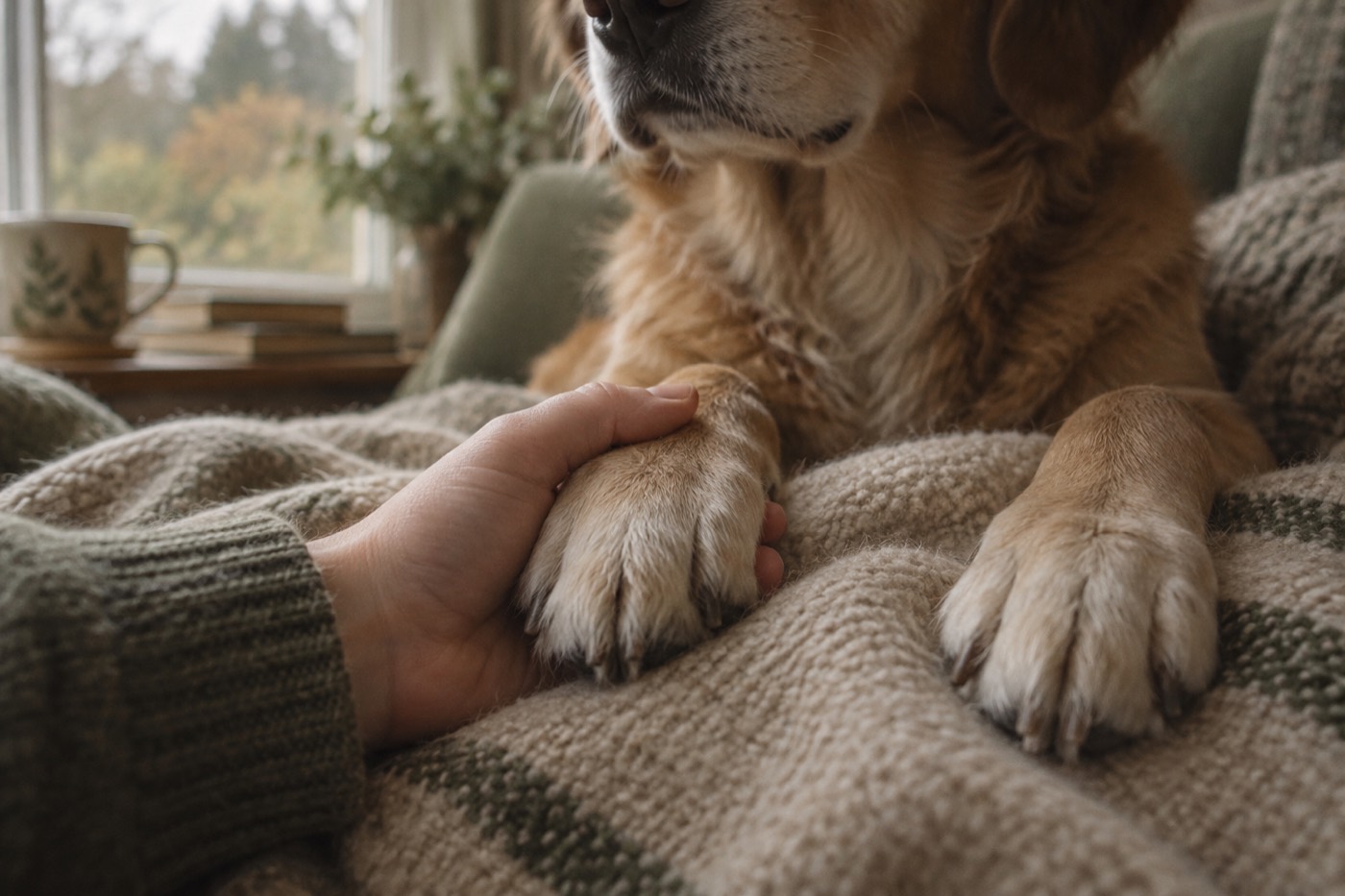
Paw licking is one of the most common reasons owners worry. Bella, the dog behind Peps for Pups, has lived with itchy, irritated paws for years, so this one is close to home.
What it looks like
- Licking or chewing the paws, often in the evening.
- Red or brown staining on the fur between the toes.
- Red, damp or smelly skin between the pads.
- Limping or reluctance to walk on rough ground.
Common causes
- Allergies. Environmental allergies to pollen, dust mites and moulds are a leading cause. Food allergies are less common but possible.
- Yeast and bacteria. Warm, damp skin between the toes can become infected, often on top of an allergy.
- Parasites. Harvest mites are common in the UK in late summer and autumn. Fleas and other mites can also be involved.
- Foreign bodies. Grass seeds can work their way between the toes.
- Pain. Dogs sometimes lick over a sore joint.
- Habit or boredom. Usually considered once medical causes have been ruled out.
When to see your vet
Book an appointment if the licking lasts more than a few days, if the skin is broken or smelly, if there is a swelling between the toes, or if your dog is limping.
What your vet may do
Your vet may examine the skin, take samples to look for yeast, bacteria or mites, and discuss allergy testing or a food trial. Itchy paws that keep coming back usually have an underlying cause worth finding.
A note on what we sell
This guide is general information for owners. BPC-157 is a research compound. It is not a treatment for itchy paws or any other condition.
More help: Questions to ask your vet.